

What Makes One Construction Aggregate Different from Another?
September 1, 2026
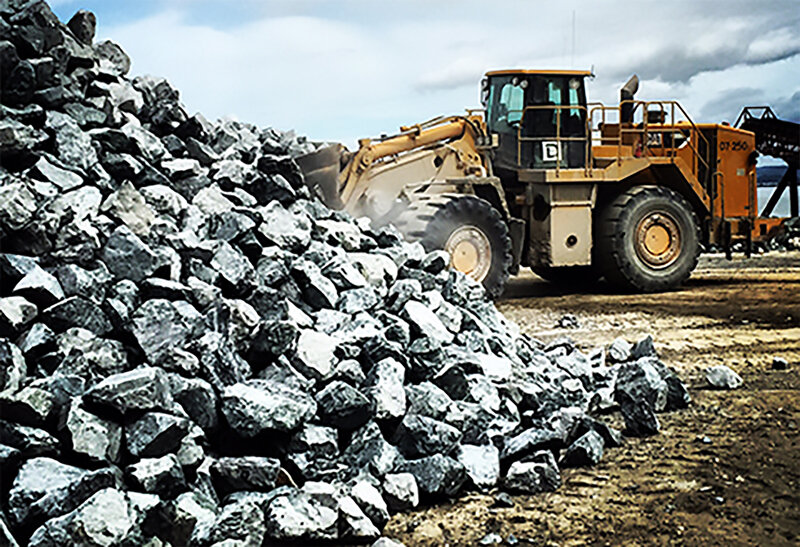
Two loads of aggregate can look nearly identical and still behave very differently once placed. The distinctions that shape performance usually sit below the surface: the rock the material came from, the shape and size of its particles, how clean it is and how it reaches the site.
What Does the Source Rock Determine?
Aggregate starts with the parent rock pulled from a quarry or pit, and that geologic source influences much of what follows. Harder, denser parent material generally holds up better against the wear that comes from crushing, handling and repeated loading, while softer stone can break down more easily under the same conditions. Processing can shape and clean a material, but it works with the hardness the source rock already provides.
Composition matters here too. Some aggregate is drawn from natural stone, while other blends combine recycled material with natural rock. San Rafael Rock Quarry, which has operated from one of Northern California’s most established natural rock deposits, draws exclusively from natural stone, which affects what a project is actually ordering. Confirming the makeup of a load avoids assuming every product labeled the same way shares the same composition.
How Does Aggregate Shape and Gradation Affect Performance?
Once parent rock reaches the crusher, shape and gradation become the variables that tend to matter most. Angular, freshly fractured particles lock against one another and resist shifting once compacted, which suits structural fill, base rock and roadwork. Rounded material settles into place more easily and moves more freely, which makes drain rock and similar products a better fit for drainage layers and bedding, where flow matters more than mechanical lock.
Gradation describes the range of particle sizes within a load, from coarse stone down through fine sand. A blend that spans a wide range of sizes generally packs more tightly and leaves fewer voids than material weighted heavily toward a single size. That tighter pack tends to support better compaction, while a narrower range can leave gaps that affect how the material performs. Dutra Materials grades hot mix asphalt in three distinct sizes, three-eighths inch, one-half inch and three-quarter inch, because a tight surface course calls for a different particle structure than a heavier-duty application. Because two loads can look similar yet test differently, gradation is usually confirmed through sieve testing rather than judged by eye.
Why Does Aggregate Cleanliness Matter?
Cleanliness affects whether the shape and gradation built into a load actually deliver in the field. Fine dust, clay and organic material can coat particles during processing, storage or transport, and those fines can interfere with how well a material bonds in a mix or drains once placed. Cleanliness requirements often depend on the application.
Material headed into a structural mix or a drainage layer generally calls for tighter cleanliness standards, since excess fines can weaken bonding or slow drainage. Fill material and some base applications tolerate a wider range of fines without the same effect on performance. On public projects, sampling and submittal documentation against the applicable testing standards confirm a load meets the specification it was ordered under.
Fine sand draws some of the closest cleanliness scrutiny of any aggregate product, since fines are easier to trap and harder to separate out once they’re mixed in. A closer look at how sand’s gradation and cleanliness support demanding applications like airport runways covers the same trade-offs in more depth.
How Do Delivery and Application Shape the Right Choice?
A well-graded, clean load can still lose its consistency before it reaches the forms or the base. Aggregate that moves through several handling transfers can segregate along the way, with finer particles settling to one side and coarser material shifting to the other. Fewer transfers generally mean less of that drift. Dutra Materials operates a waterfront resource capable of moving aggregate and asphalt by barge directly to a project site, which limits the handling transfers that cause segregation on large-volume deliveries and reaches shoreline and levee locations a truck route alone cannot serve as directly.
The application decides the material. Base rock built for a road or foundation, drain rock sized for a French drain or shoreline layer and rip rap sized for erosion control along a levee all start from the same four questions, just answered differently for the job at hand. Source rock sets the baseline hardness, shape and gradation influence how particles interlock, cleanliness and testing confirm what is actually in the load and delivery affects whether that material still matches its specification on arrival.
Frequently Asked Questions
What Is Aggregate Gradation?
Gradation is the distribution of particle sizes within a batch of aggregate, from coarse stone down through fine sand. A blend that spans that full range tends to pack tightly and leave few voids, while a batch weighted toward one size can leave gaps that affect compaction and drainage. Because two loads can look alike yet test differently, gradation is generally confirmed through sieve testing rather than judged by appearance.
Is Crushed Aggregate Always Better Than Rounded Gravel?
Not for every application. Crushed, angular stone locks together under compaction and suits structural fill, base rock and roadwork, where interlock helps carry the load. Rounded material moves and settles more easily, which can fit drainage layers and bedding, where flow matters more than mechanical lock. The right choice depends on what the material needs to do on a specific job.
Does All Aggregate Need to Be Washed Before Use?
Washing matters most where cleanliness affects bonding or drainage, such as material headed into a structural mix. Fill material and some base applications tolerate a wider range of fines without the same effect on performance.
How Is the Right Aggregate for a Project Identified?
The application decides the material. Structural work generally calls for angular, well-graded stone that locks under compaction, drainage layers call for cleaner, more open material and shoreline or levee work calls for rip rap sized for the exposure it will face. Confirming gradation, shape and cleanliness requirements against the actual project specification before ordering keeps a mismatched load from becoming a second delivery.