

How Commercial Properties Prepare Surfaces for Increased Summer Traffic
June 4, 2026
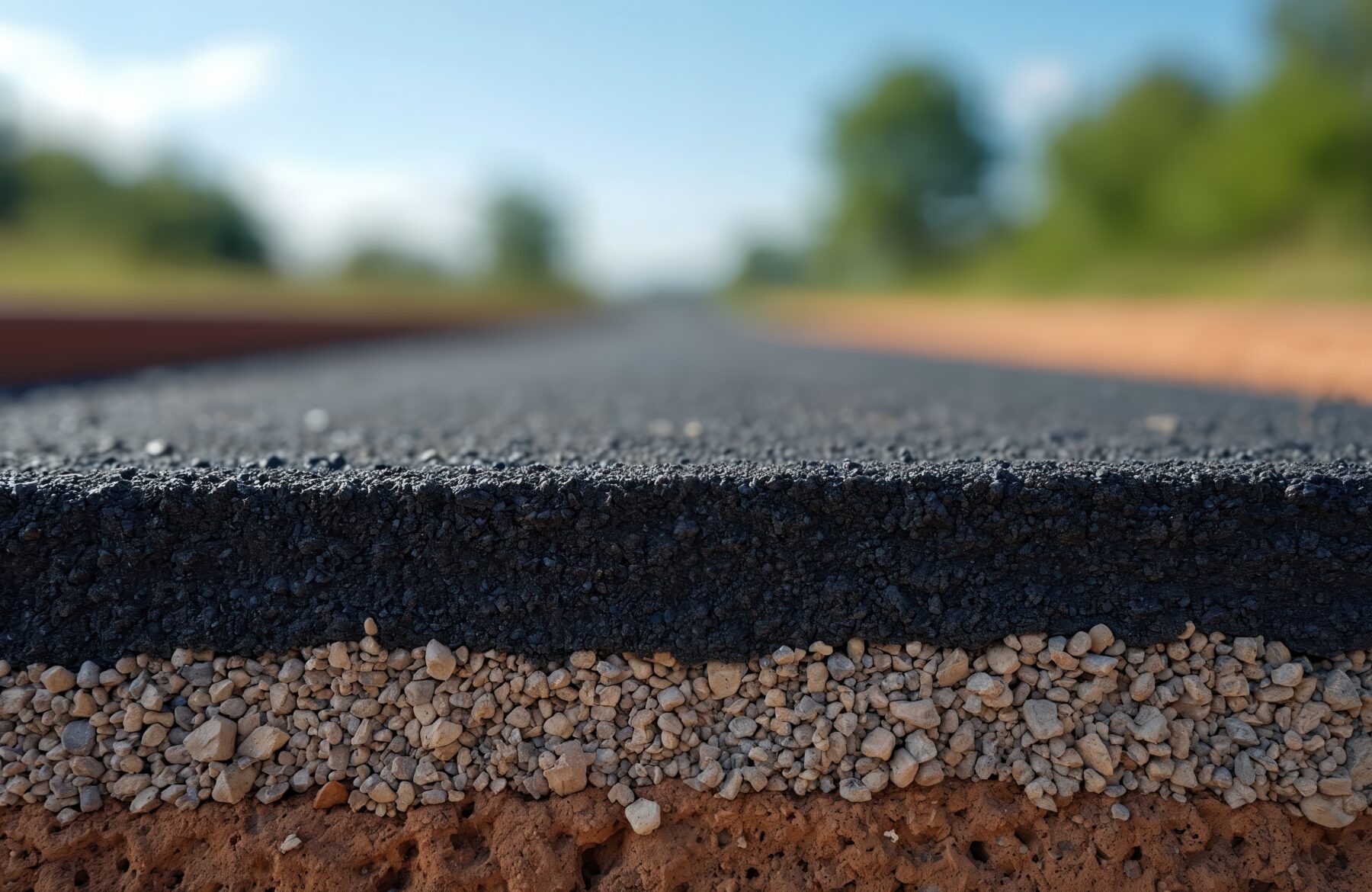
Summer traffic can put added stress on Bay Area commercial pavement, especially as higher vehicle volumes meet warmer surface temperatures. During the busiest months, asphalt may soften under repeated loads, and small weaknesses in the base can become more noticeable at the surface. A properly prepared sub-base, paired with the right HMA gradation for the property’s traffic patterns, helps pavement maintain its profile and perform reliably through the season.
The Sub-Base Carries the Season
Aggregate structure beneath the asphalt surface is what absorbs and distributes vehicle weight during peak traffic periods. Base rock, compacted in uniform lifts below the asphalt mat, creates an interlocked platform that transfers vertical load laterally before it concentrates at any single point. Crushed base aggregate that grades uniformly through the sieve range compacts without internal voids or bridging, and a sub-base built that way holds its geometry even when warm temperatures soften the asphalt binder above it. The source deposit the aggregate comes from matters here, since material produced from a consistent, high-yield quarry arrives on site with the particle shape and gradation that compaction equipment can work with precisely.
One of Northern California’s most established natural rock deposits anchors the aggregate supply available through this regional supply chain. Uniform particle shape produces consistent interlock across each compacted lift, and that interlock is what keeps the sub-base stable under repeated load cycles throughout the season. A surface that holds its profile through a full summer of commercial traffic starts with a sub-base that compacted evenly, from material that graded predictably load to load.
Selecting the Right HMA Mix for the Surface Type
Hot mix asphalt comes in multiple aggregate gradations, and the gradation selected for a commercial surface produces measurably different structural behavior depending on the traffic type above it. A 3/8-inch HMA produces a tight surface texture suited for pedestrian-adjacent areas, light vehicle lanes, and spaces where surface contact and ADA compliance requirements are a factor. The 1/2-inch mix covers the widest range of commercial parking and drive-aisle applications, with a surface density that handles standard vehicle loads while remaining workable during placement at typical Bay Area summer temperatures.
For access roads, loading docks, and areas carrying service vehicles or delivery trucks, the 3/4-inch HMA carries the aggregate interlock structure that manages heavier axle loads without allowing the surface course to shove or rut. Available from both San Rafael and Richmond plant locations, each gradation comes with submittal documentation, which means specification compliance for municipal and private commercial projects is straightforward to establish before mobilization. The range of mix gradations from a single regional supplier also reduces the coordination burden on project teams managing multiple surface types within the same property.
Timing Placement Before Peak Load Cycles Begin
Northern California’s dry season creates the temperature and moisture conditions that support quality HMA placement and proper mat compaction. Pavement work scheduled for April or May reaches adequate surface strength before summer traffic loads arrive in volume, and the asphalt binder stabilizes before it faces repeated loading cycles in heat. Commercial property managers who address surface work in spring gain a full season of traffic before the cycle starts again.
Barge-loading capability within the regional supply chain reduces material lead times for larger-scope projects near Bay Area waterways, where land-side logistics add both cost and scheduling complexity. The ability to transport aggregate and asphalt to specific project destinations by water is a logistical advantage that few Northern California suppliers carry, and for waterfront commercial properties or projects with constrained site access, it expands what is achievable within a given timeline.
Pavement performance through a high-traffic season traces directly back to material selection, sub-base preparation, and mix specification matching. A well-graded base rock foundation paired with the correct HMA gradation for the surface load profile keeps the pavement performing through the full demand cycle. A supplier that stocks multiple HMA gradations, produces aggregate from a consistent deposit, and carries submittal documentation for both public and private work keeps specification risk low before the project begins. Contacting Dutra Materials is a practical first step, since pavement scope, access conditions, and existing surface state all factor into the material selection and quantities needed to complete the work correctly.