

How Aggregate Size Selection Affects Freeze-Thaw Durability in Highway Overpasses
January 6, 2026
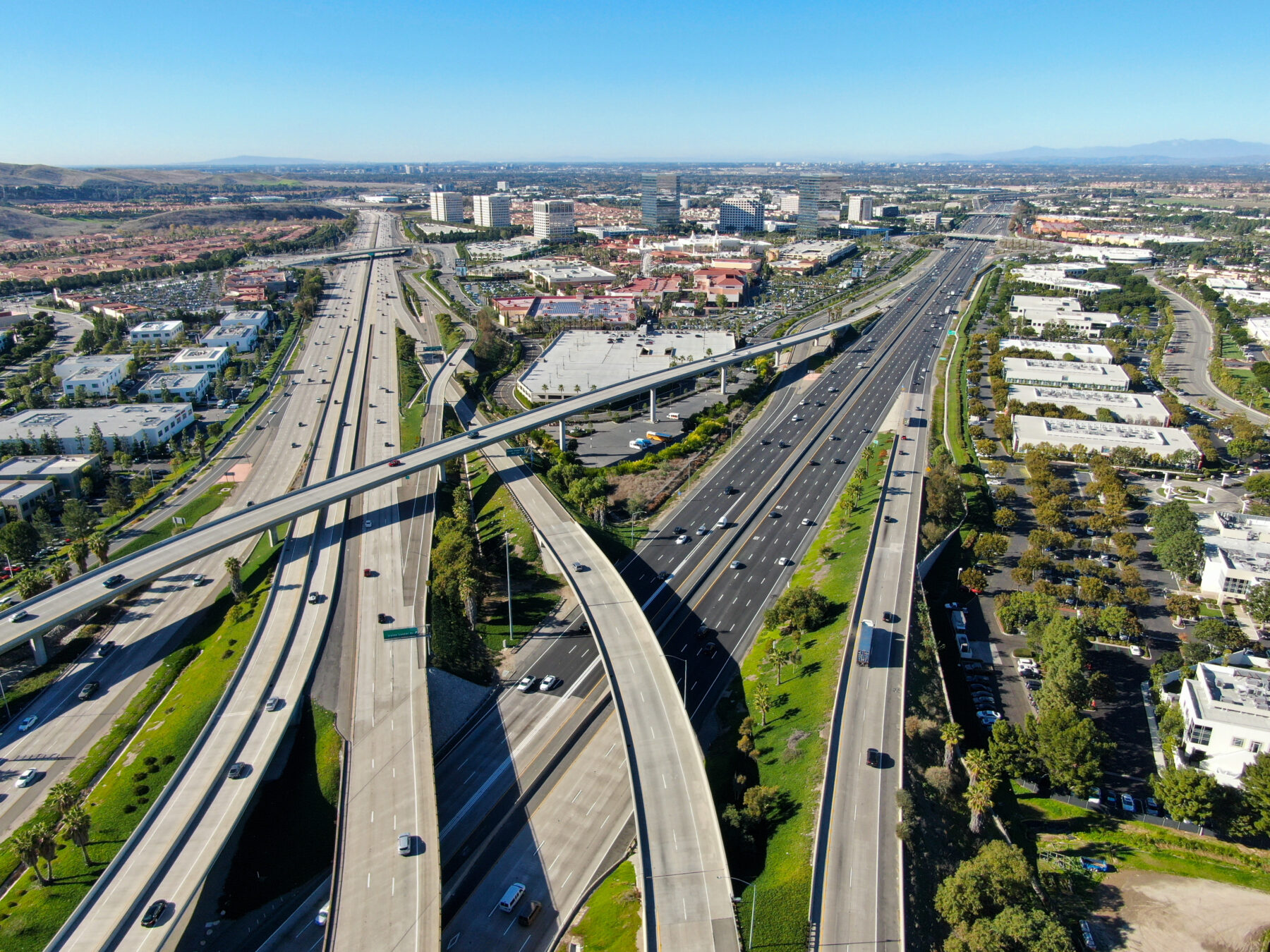
Highway overpasses operate in one of the most demanding environments in transportation infrastructure. Elevated profiles expose concrete to rapid temperature shifts, sustained wind-driven moisture, and repeated deicing applications before surrounding pavement sections experience similar conditions. In cold regions, freeze-thaw cycling becomes a defining factor in long-term service life. These conditions place early material decisions, particularly aggregate size selection, at the center of durability planning.
Aggregate size is often evaluated through structural requirements or production efficiency, yet its influence extends far beyond those considerations. When matched deliberately to environmental exposure and mix design objectives, aggregate size shapes how overpass concrete manages moisture movement, internal stress, and seasonal cycling. Those behaviors compound quietly over time, making early selection decisions critical to long-term performance.
How Aggregate Size Influences Moisture Pathways
Freeze-thaw deterioration begins with moisture infiltration. Water migrates through concrete via capillary pores, microcracks, and the paste network surrounding aggregate particles. Aggregate size directly affects how these pathways form and how easily moisture is retained within the matrix.
Larger aggregates reduce total surface area, which lowers paste demand and can help limit permeability when gradation is properly controlled. Smaller aggregates increase surface area and paste volume, expanding the pore network if proportions are not carefully managed. That expanded structure allows moisture to accumulate and remain trapped as temperatures drop. Over time, retained water intensifies internal pressure during freezing, accelerating deterioration in exposed overpass elements.
Aggregate Size and Stress Distribution During Freezing
As water freezes inside concrete, expansion generates substantial internal force. Aggregate size plays a defining role in how that force moves through the structure. Larger aggregates help interrupt crack propagation, dispersing stress across a broader internal framework rather than allowing it to concentrate in isolated zones.
Smaller aggregate systems place particles closer together, narrowing paste regions and increasing stress concentration during freeze-thaw events. Under repeated cycling, these localized pressures can lead to surface scaling, internal cracking, and progressive deterioration. This effect is especially pronounced in bridge decks, barriers, and parapets that experience direct exposure. Thoughtful aggregate size selection allows freeze-thaw forces to dissipate gradually, reducing the likelihood of localized failure.
Strengthening the Aggregate-Paste Bond
Long-term durability depends on the integrity of the aggregate-paste interface. Aggregate size influences both the thickness and consistency of the paste layer surrounding each particle, shaping how the material responds to thermal movement and moisture intrusion.
Larger aggregates, when properly proportioned, support more stable interfacial transition zones that resist cracking under seasonal expansion and contraction. Overly fine aggregate blends thin these zones, increasing susceptibility to microcracking as internal stresses develop. Once cracking initiates at the interface, moisture infiltration accelerates and freeze-thaw damage compounds more rapidly. Optimizing aggregate size reinforces internal bonding and helps preserve structural continuity through repeated seasonal cycles.
Supporting Effective Air Entrainment
Air-entrained concrete remains essential for freeze-thaw durability, but its effectiveness depends on the overall mix structure. Aggregate size influences how evenly microscopic air voids are distributed and how well that distribution is maintained during mixing and placement.
Well-graded larger aggregates reduce paste congestion, supporting consistent air void spacing throughout the concrete. Excessively fine aggregate systems can disrupt that spacing, limiting the ability of entrained air to relieve internal pressure during freezing. When aggregate size and air entrainment work in coordination, the concrete develops a reliable internal pressure relief system that remains effective over time.
Balancing Constructibility with Long-Term Performance
Highway overpasses demand efficiency during construction without sacrificing decades of service life. Aggregate size selection must support placement, consolidation, and finishing while reinforcing resistance to freeze-thaw deterioration. Larger aggregates often reduce cement demand, limit shrinkage, and improve sustainability metrics, all while contributing to durability under seasonal exposure.
This balance is particularly important in overpass decks and vertical elements where exposure intensity varies but performance expectations remain consistent. Aggregate producers and concrete suppliers play a critical role in tailoring gradation strategies to local climate conditions and project-specific requirements, ensuring constructibility and durability remain aligned.
Freeze-thaw resistance is not achieved through a single adjustment or additive. It is the result of coordinated material decisions that begin with aggregate selection. Aggregate size influences moisture behavior, stress distribution, internal bonding, and air void effectiveness, shaping how concrete responds to seasonal cycling year after year. When prioritized early in mix design, aggregate size becomes a foundational element in building overpasses engineered to maintain structural integrity, surface quality, and reliability through winter exposure.