

How to Estimate Material Quantities for Parking Lot Resurfacing
December 3, 2025
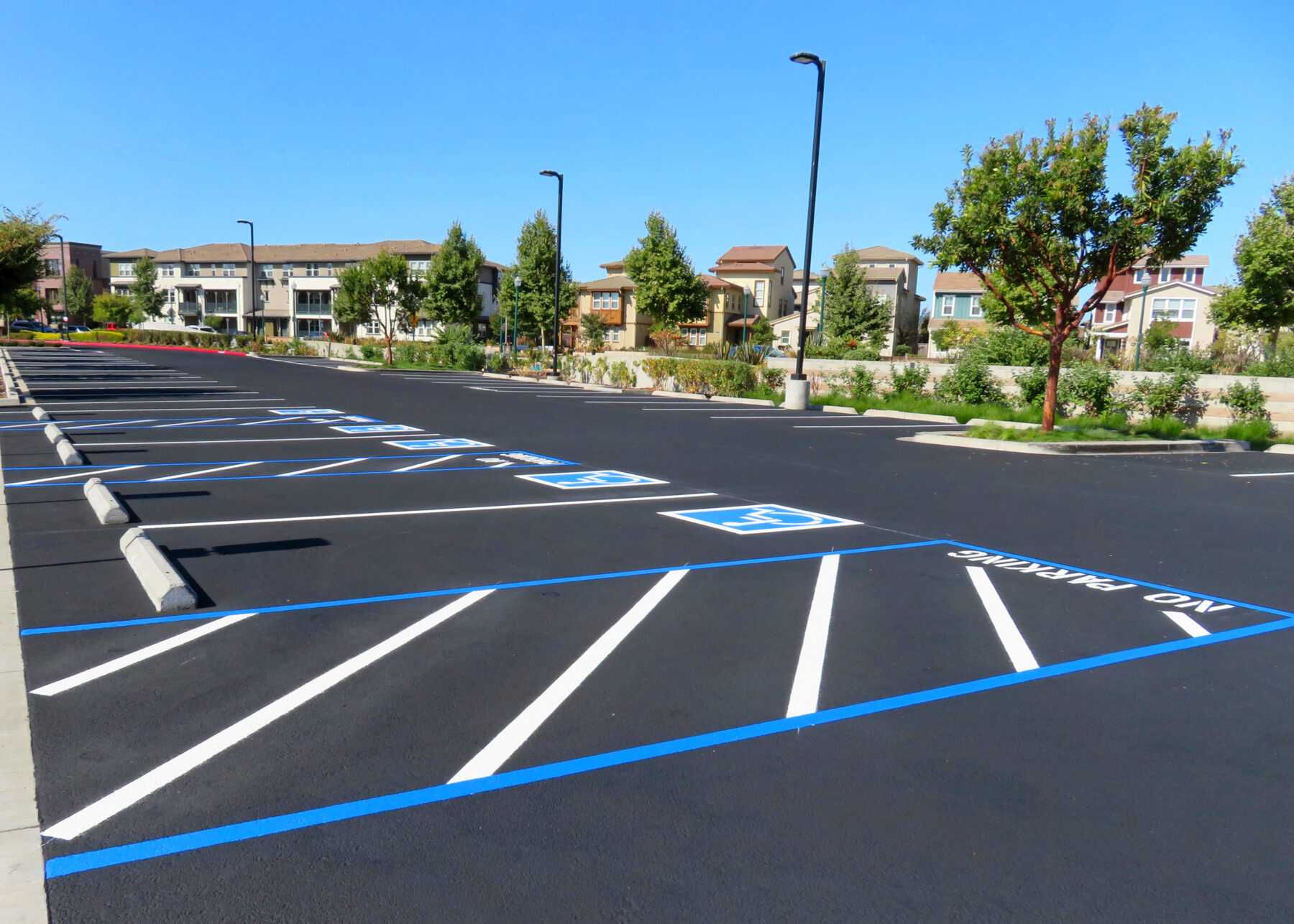
Preparing for a parking lot resurfacing project begins with a clear understanding of how materials influence cost, efficiency, and the final pavement’s performance. Winter planning often becomes a strategic moment to outline those details, giving commercial properties enough time to refine estimates and secure schedules well ahead of spring activity. When quantities are forecasted with precision, contractors and property managers move into the construction season prepared, organized, and aligned on expectations for the finished surface.
Establishing a Clear Baseline
Accurate estimations start with a complete assessment of the existing pavement. Surface texture, aging patterns, and early signs of wear reveal how much preparation will be needed before any new asphalt is placed. These observations help determine where light milling, leveling, or localized patching may be required to create a stable platform for the overlay. With a consistent picture of the lot’s condition, the calculations that follow become far more dependable.
Once those conditions are documented, the target thickness for the resurfacing lift can be defined. Different traffic patterns influence this decision, and areas exposed to constant turning, loading, or higher volumes may benefit from a slightly more robust layer. Establishing these depth requirements early helps align material orders, production schedules, and onsite coordination.
Measuring the Lot with Precision
The next step centers on determining the exact footprint of the parking lot. Whether measured in square feet or square yards, these figures drive every calculation that follows. Lots with irregular boundaries, landscaped islands, or medians benefit from professional measurements to ensure accuracy across the entire layout. When the full area is established, planned lift thickness becomes the variable that shapes the volume of asphalt required.
Converting that volume into tonnage creates the bridge between design planning and plant production. With a dependable number in hand, material deliveries can be staged efficiently, keeping paving operations moving without delays or excess inventory sitting onsite.
Calculating Asphalt and Supporting Materials
Tonnage calculations rely on a simple formula built around area, thickness, and the density of hot mix asphalt. While the math remains consistent, the selected surface mix influences the final totals. Commercial-grade mixes, dense-graded blends, and surface courses designed for high-traffic applications each carry distinct characteristics that should be factored into production planning.
Supporting materials follow their own measurement logic. Tack coat quantities depend on consistent coverage rates to create strong adhesion between the existing pavement and the new lift. If leveling work is needed before paving, the aggregate quantities used in those sections should be calculated separately to reflect the isolated nature of the repairs. When these elements are coordinated together, the entire operation benefits from steady workflow and predictable pacing.
Accounting for Edges, Structures, and Layout Transitions
Parking lots often include curbs, drainage inlets, ramps, and pedestrian transitions that influence how much material is placed along the edges. These areas require thoughtful attention to maintain drainage flow, meet accessibility requirements, and support uniform compaction. Adjusting material estimates to reflect these details ensures the finished surface aligns with both performance expectations and aesthetic standards.
The layout of the lot also guides the timing of restriping. While markings do not influence asphalt quantities, they affect scheduling and help determine the window between pavement placement and final striping. When the entire sequence is mapped out in advance, the project moves from preparation to execution without unnecessary downtime.
Bringing Planning and Production Together
Strong material estimates give every resurfacing project a clear path forward. By evaluating the existing lot, confirming lift thickness, measuring the full footprint, and aligning calculations with mix selection, contractors and property teams set the stage for a surface that performs well season after season. Detailed planning also strengthens communication with the asphalt producer, ensuring volumes and delivery times support an efficient paving schedule.
Commercial properties preparing for spring improvements benefit from taking these steps early. With the right materials partner, mix recommendations, production volumes, and delivery timing all come together to support a resurfaced parking lot built for durability, consistency, and long-term value.