

Sand as a Critical Material in Airport Runway Construction
November 11, 2025
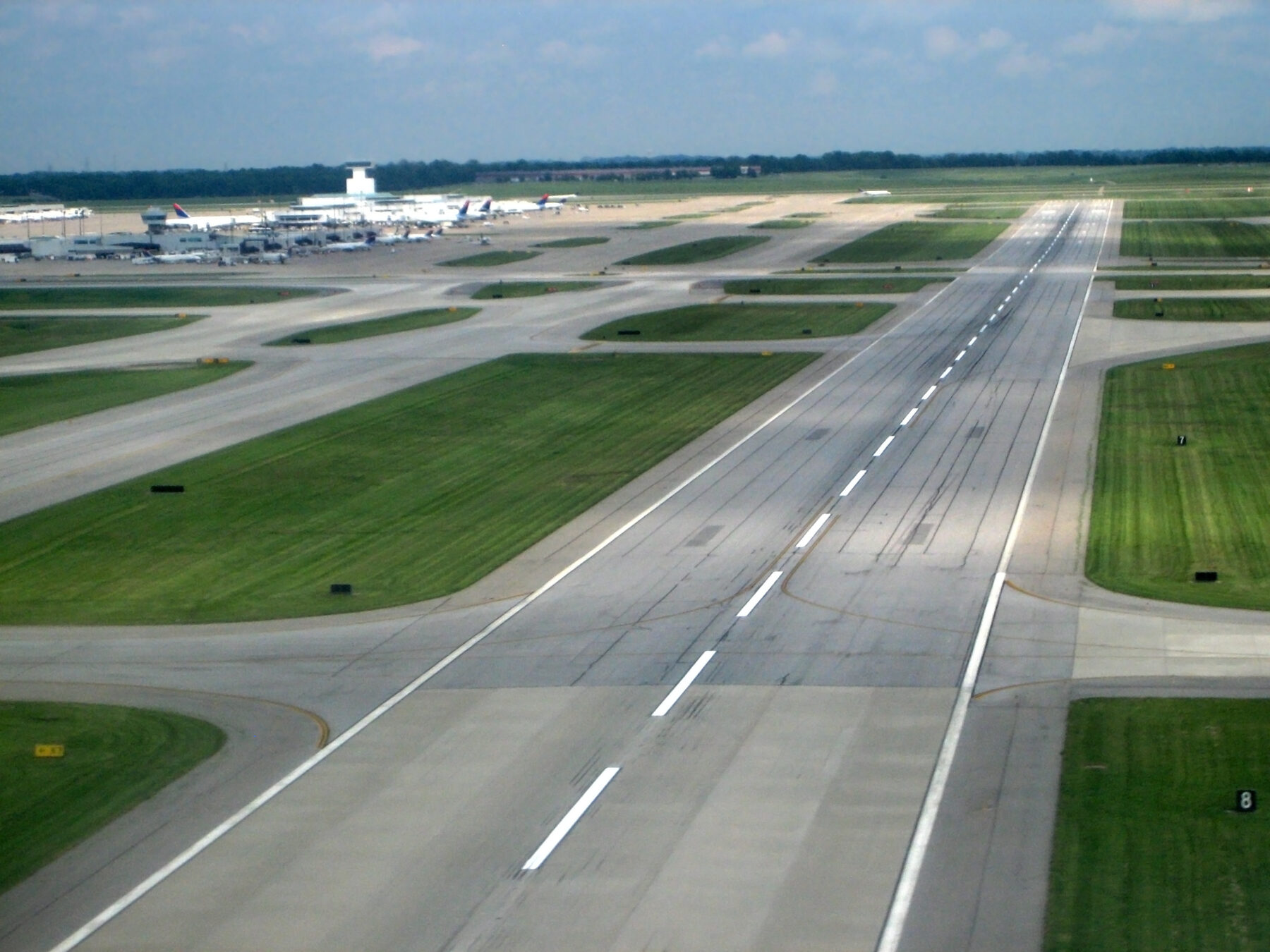
Airport infrastructure represents one of the most demanding applications of modern construction materials. Every component of a runway must perform with exceptional strength, consistency, and reliability under the constant impact of aircraft weighing hundreds of tons. At the foundation of that performance is sand, an essential material that delivers the stability, drainage, and long-term endurance needed for these massive concrete and asphalt systems. Its role extends far beyond simple fill, serving as an engineered element that defines how safely and smoothly airports operate every day.
Building the Foundation for Structural Integrity
Every runway is built on a carefully layered system designed to distribute weight evenly and maintain long-term stability. Sand serves as the vital intermediary between the subgrade and the aggregate base, forming a uniform platform that absorbs and balances load across the surface. This balance minimizes the risk of differential settlement, which can affect pavement performance over time. With its consistent grain size and compaction characteristics, sand ensures even pressure distribution, allowing the structural layers above to perform as a unified system built for strength and precision.
In regions with variable soil composition, sand also plays a stabilizing role. When blended or placed strategically, it creates a uniform subbase that improves density and reduces the likelihood of weak zones beneath the pavement. This engineered consistency gives the runway a foundation that responds predictably to weight and movement, both essential qualities when safety margins are measured in fractions of an inch.
Enhancing Drainage and Surface Longevity
Moisture control is one of the defining challenges of runway construction. Water infiltration weakens subbase layers, accelerates cracking, and shortens service life. Sand’s natural permeability provides an effective solution, allowing water to drain efficiently through the structure rather than accumulating beneath the pavement. This controlled drainage prevents pressure buildup, reduces freeze-thaw expansion, and keeps the surface resilient through shifting weather patterns.
When combined with properly graded aggregates, sand helps form capillary breaks that block the upward migration of water. This feature is especially critical in climates where seasonal changes cause moisture to move vertically through soil layers. By maintaining a dry, stable base, sand directly contributes to smoother surfaces, reduced maintenance cycles, and the consistent performance that high-traffic runways demand.
Supporting Asphalt and Concrete Pavement Systems
Runway pavement systems, whether asphalt or concrete, rely heavily on the characteristics of the materials beneath them. Sand is used in both base course mixtures and surface layer compositions to enhance bonding, reduce voids, and improve workability. In asphalt mixes, the angularity and cleanliness of sand particles influence how well the material compacts and resists deformation under heat and load. In concrete, the right sand gradation ensures uniformity and prevents segregation, directly influencing compressive strength and surface finish quality.
High-performance airport pavements often incorporate specially washed and graded sands that meet strict Federal Aviation Administration (FAA) standards. These sands provide the precision necessary for achieving smooth, level surfaces that minimize rolling resistance and reduce wear on aircraft tires. Whether part of the structural base or blended into the surface mix, sand’s mechanical properties remain central to both performance and longevity.
Precision and Sustainability in Modern Runway Design
The evolution of runway engineering continues to emphasize precision and sustainability. Modern construction practices integrate sand more strategically, selecting sources and gradations based on detailed testing of particle distribution, angularity, and mineral composition. Recycled and manufactured sands are increasingly being used where natural resources are limited, offering controlled quality with reduced environmental impact.
By pairing these engineered sands with advanced concrete and asphalt formulations, airport designers achieve runways that deliver both strength and sustainability. The controlled use of sand reduces material waste, enhances load-bearing capacity, and supports long-term environmental performance, all without sacrificing safety or efficiency.
Every runway represents an intersection of design precision and material science. Beneath the layers of concrete and asphalt, sand provides the foundation that keeps aircraft movement safe, stable, and reliable. Its contribution may remain unseen, but its impact defines the performance of some of the most critical transportation infrastructure in the world. By ensuring uniform load distribution, managing water flow, and supporting surface quality, sand anchors the success of modern aviation through every layer of construction and operation.